
Master-Planned Communities or Established Suburbs: The Ultimate Showdown for Property Investors
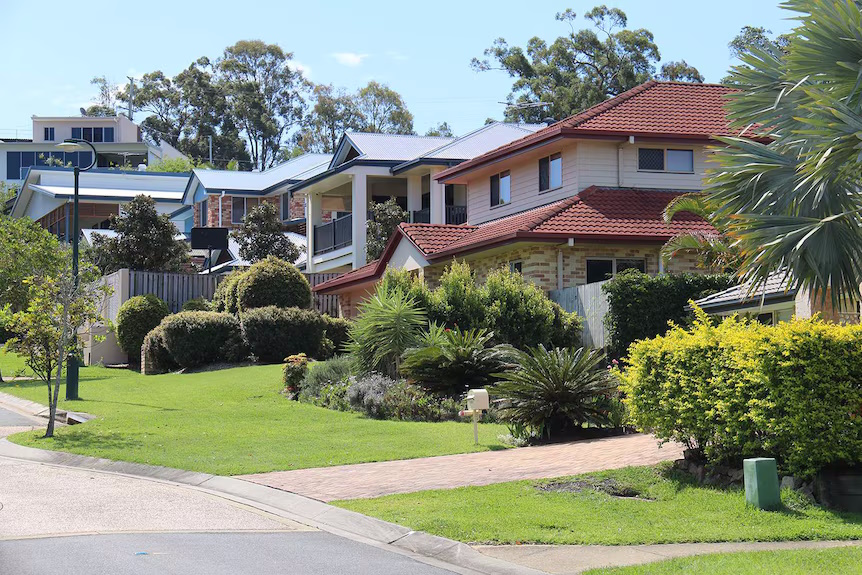
Investing in property often comes down to choosing between a new master-planned community or an established, built-out suburb. While both have their merits, understanding the risks and potential rewards is crucial for making the right investment decision. In this blog, we’ll compare the advantages and drawbacks of each, with a particular focus on the long-term sustainability of master-planned communities.
Master-Planned Communities: What You Need to Know
Master-planned communities are newly developed residential areas that integrate homes, commercial spaces, parks, schools, and amenities. These developments are designed to create a convenient, self-sustained environment for residents, often located on the outskirts of cities.
Advantages of Buying in a Master-Planned Community
- Modern Infrastructure and Amenities Master-planned communities often include new parks, shopping centres, and other conveniences designed to attract families and professionals. This modern infrastructure can increase the area’s appeal, driving demand for both rental properties and future sales.
- Potential for Future Growth Investors who buy early in a master-planned community can benefit from capital growth as the development becomes established. As more amenities are built and demand increases, property values may rise, although this growth is often more gradual compared to established suburbs.
- Newer Builds, Lower Maintenance Buying in a master-planned community often means purchasing a new or near-new home. Newer properties tend to have lower maintenance costs and can attract tenants looking for modern features and energy-efficient homes.
- Slower Capital Growth While master-planned communities can experience capital growth, it may take several years to see significant appreciation. These areas, especially those located far from city centres, might not see the same level of demand and price increases as more established suburbs.
- Market Saturation Because master-planned communities are built at scale, there are often numerous homes that are very similar in design, size, and pricing. This oversupply can result in market saturation, which can drive down rental prices or slow property value growth.
- Distance from City Centres Many master-planned communities are located on the outskirts of major cities, leading to longer commute times for residents. This distance can limit demand from renters who prioritise proximity to employment hubs, public transport, and urban amenities, potentially affecting vacancy rates.
- Property Spruikers: Hidden Costs in the Marketing One major pitfall when buying in a master-planned community is the presence of property spruikers—salespeople who market these developments as “once-in-a-lifetime opportunities” or “the best way to save tax and build wealth.” They often present themselves as working in the buyer’s interest, but they are paid by the developer or builder. Property spruikers can receive commissions of $15,000 to $30,000 per land sale and an equivalent amount for the build. This means you may be paying $30,000 to $60,000 more than the property’s actual market value, all to benefit the spruiker rather than yourself.
The reality is that you, as the buyer, are the product. These spruikers don’t work for you—they work for the developer, and the inflated costs they contribute to can undermine the value of your investment.
- Master-Planned Communities After the Developer Leaves A major risk with master-planned communities is what happens once the developer finishes and hands over control. One prominent example is North Lakes in Queensland, which was marketed as a premium golfing community. The golf course was promoted as the heart of the neighbourhood, with areas like Fairway Chase, Club North, and Greengate specifically branded to attract buyers interested in golf lifestyle living.
However, after the developer completed the project, the golf course was closed and sold to an aged care facility. The identity of the community, once centred around golf, was drastically altered. Now, the future of the golf course and surrounding area is in the hands of the aged care facility owners, leaving the neighbourhood’s appeal uncertain. In 10 or 20 years, no one knows what might become of the area, making it a risky long-term investment for those who bought into the original golfing vision.
This situation highlights the danger of investing in master-planned communities based on promises that may not last once the developer moves on.
Built-out suburbs are established neighbourhoods with a long history of development, where limited land availability often drives demand. These areas are generally closer to city centres, offering proven growth potential and a more stable market.
- Proven Capital Growth Built-out suburbs typically have a track record of steady capital growth due to the scarcity of available land. Established neighbourhoods with limited new supply tend to hold their value well and often see consistent price appreciation over time.
- High Rental Demand Established suburbs often attract renters who are looking for proximity to city centres, public transport, schools, and established infrastructure. High demand in these areas can mean lower vacancy rates and more stable rental income for investors.
- Scarcity of Land In built-out suburbs, the limited availability of land often increases property value over time. The scarcity factor means properties in these areas are typically in higher demand, which can drive both rental income and future resale value.
- Established Infrastructure These suburbs offer established infrastructure such as hospitals, schools, parks, and retail centres. This stability can provide a sense of security for both investors and tenants.
- Higher Entry Prices Established suburbs tend to have higher property prices due to their location, demand, and scarcity of land. Investors may need a larger upfront investment to buy into these areas, which can limit options for those with smaller budgets.
- Older Properties, Higher Maintenance Costs Homes in built-out suburbs are often older and may require more maintenance or renovations compared to newer builds in master-planned communities. While these properties can offer strong capital growth, investors should budget for ongoing repairs and upgrades.
- Potentially Lower Rental Yields In built-out suburbs, rental yields may not always keep pace with the higher property prices. Investors focused on yield may find it harder to achieve high returns compared to areas where property prices are lower and rental demand is higher.
The decision between a master-planned community and a built-out suburb depends largely on your investment goals.
- If you’re looking for rental yield with modern amenities and low maintenance, a master-planned community may be attractive, but be mindful of the risks, especially regarding property spruikers and what happens after the developer finishes. The long-term sustainability of these communities can be uncertain.
- If your focus is on capital growth and long-term stability, a built-out suburb is often the safer choice. While entry costs are higher and maintenance may be more intensive, these areas offer proven growth and established demand, making them more predictable investments.
In conclusion, both options present opportunities, but understanding the risks—particularly with master-planned communities once the developer moves on—can help you make a more informed decision that aligns with your long-term investment strategy.